
Weather in Singapore – Best Time to Visit
Asia · Capital: Singapore · SGD
- Capital
- Singapore
- Currency
- SGD (Singapore dollar) $
- Languages
- English, Malay, Tamil, Chinese
- Calling code
- +65
- Main airports
- SIN (Singapore), XSP (Singapore)
Singapore experiences a tropical rainforest climate, characterised by high humidity and consistent temperatures throughout the year. Expect warm weather and frequent rainfall, which contributes to the city's lush greenery and vibrant urban landscape.
Climate overview
Singapore lies just one degree north of the equator, resulting in little temperature variation. Daily highs typically range from the mid-20s to low 30s Celsius, while nights remain warm. Humidity levels are high, often exceeding 80%, making the air feel warmer. Rainfall is common year-round, with short, intense showers most afternoons. The city sees no distinct seasons but has wetter periods associated with the Northeast Monsoon (December to early March) and Southwest Monsoon (June to September).
Thunderstorms are frequent, especially in the afternoon and early evening. It is advisable to carry an umbrella or raincoat when exploring outdoors. Singapore’s excellent public transport and indoor attractions provide convenient shelter during sudden downpours.
Best time to visit
The most favourable time to visit Singapore is during the months outside the peak monsoon periods, particularly between February and April. During this time, rainfall tends to be lighter and less frequent, allowing for more outdoor activities and sightseeing. Temperatures remain warm but are generally more comfortable, with slightly lower humidity.
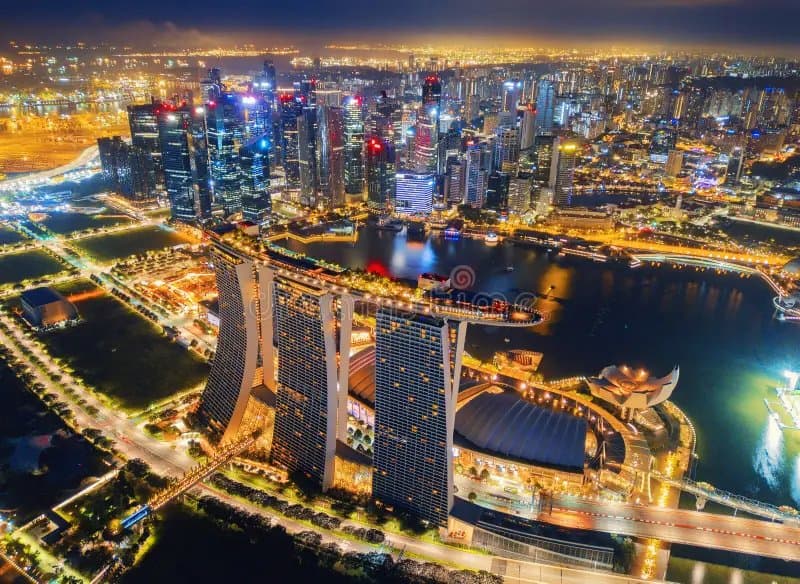
Avoiding the monsoon seasons can enhance your experience, especially if you plan to spend time at outdoor attractions such as Sentosa Island or Gardens by the Bay. However, Singapore’s well-developed infrastructure means that even during wetter months, you can enjoy indoor attractions like Marina Bay Sands and the Singapore Zoo without disruption.
Month by month
January and February are part of the Northeast Monsoon season, bringing heavier rainfall and occasional thunderstorms. March and April see a reduction in rain, with warm and humid conditions prevailing. May experiences a rise in temperature and humidity, often accompanied by afternoon showers.
June to September marks the Southwest Monsoon season, characterised by slightly drier weather but still frequent rainfall and thunderstorms. October and November can be wetter, with increased rainfall as the monsoon transitions. December tends to be wet and humid, with the Northeast Monsoon bringing more consistent showers and occasional flooding in low-lying areas.
Throughout the year, temperatures remain fairly steady, so packing lightweight, breathable clothing is recommended. Remember to include rain gear and sun protection regardless of the month.
Popular cities in Singapore
Other countries in Asia
Last updated November 25, 2026